Search Intent is the goal behind a user’s query. The four main types are informational, when someone wants to learn; navigational, when someone wants a specific destination; commercial, when someone compares options; and transactional, when someone is ready to act. Identify intent through query language, the SERP, top-ranking content, and tools such as Google Search Console, Google Analytics, Ahrefs, SEMrush, and Moz.
What Is Search Intent in SEO?
Search intent explains the user’s goal
Search intent, also called user intent or keyword intent, is the reason a person enters a query into a search engine such as Google. “What is a backlink?” seeks an explanation, while “buy backlink analysis software” signals action.
Intent is more useful than keyword matching alone. Google considers meaning and context, so keyword research should identify the searcher’s task as well as volume and difficulty.
Why intent matters for SEO and content marketing. A page can be accurate yet underperform if it targets the wrong purpose. A product page will not satisfy a tutorial search, while a general article may frustrate someone ready to buy. Matching intent guides content type, depth, calls to action, and internal paths, making content marketing more purposeful.
Informational and Navigational Search Intent
Informational intent means learning
Informational intent appears when a searcher wants an answer, definition, explanation, or process. Modifiers include “what,” “why,” “how,” “guide,” and “examples.” These queries need an article, tutorial, glossary page, or FAQ.
Answer the main question early, use descriptive headings, and cover likely follow-up questions. A concise answer may be eligible for a featured snippet, although Google decides whether to display one.
Navigational intent means reaching a destination
Navigational intent means the user wants a particular website, brand, tool, or page. Examples include “Google Search Console login,” “Ahrefs,” and “Moz keyword explorer.”
Optimize branded homepages, login pages, and key pages so users reach the correct destination quickly. Make titles, URLs, and brand references unambiguous.
Commercial and Transactional Search Intent
Commercial intent means comparing options
Commercial intent sits between learning and buying. The searcher evaluates products, services, or providers before deciding. Modifiers include “best,” “review,” “comparison,” “alternatives,” and “vs.”
Use comparison pages, reviews, buying guides, and service comparisons. Include meaningful differences and decision criteria without disguising promotion as neutral advice.
Transactional intent means taking action
Transactional intent indicates readiness to purchase, subscribe, download, book, request a quote, or start a trial. Modifiers include “buy,” “pricing,” “discount,” “free trial,” “near me,” and specific product names.
Use a product, service, booking, or conversion page with clear details, trust signals, relevant pricing, and a direct call to action. The page must enable the action.
Identify Intent From the Query and SERP
Read the language and context of the query
Query wording provides an initial clue. Question words suggest informational intent, brand names navigational intent, “best” and “review” commercial intent, and “buy” or “pricing” transactional intent.
Treat modifiers as clues, not final answers. “SEO services” may be commercial or transactional, while “SEO consultant near me” can combine transactional and visit-in-person intent. Location, device, and time also matter.
Study content type, format, and SERP features
Search the keyword and review the first page. Note whether Google favors blog posts, videos, product pages, category pages, tools, or local listings, then identify the dominant format: guide, list, comparison, review, landing page, or definition.
Inspect People Also Ask, related searches, ads, image and shopping results, knowledge panels, and any featured snippet. These elements reveal user questions and useful subtopics; Google says featured snippets show a descriptive passage before the normal result format.
Validate Search Intent With SEO Data and Tools
Use Search Console and Analytics data
Google Search Console shows queries, impressions, clicks, click-through rate, and average position. Filter its Performance report by query and page to see the intent attracting each URL.
Google Analytics adds post-click context. Compare engagement, conversions, and landing-page performance by query group or page type. High impressions with weak clicks may indicate a title-intent mismatch; clicks without conversions may indicate a weak commercial or transactional path.
Compare keyword tools and competitor pages.Ahrefs, SEMrush, and Moz can label intent and expand keyword research. Use them to scale analysis, then confirm classifications against live SERPs because tools may simplify mixed or changing queries.
A backlink profile may explain visibility but not intent alignment. Compare top pages’ headings, format, entities, calls to action, and internal links. The SERP is the clearest evidence of Google’s current interpretation.
Turn Search Intent Into a Content Plan
Choose the page type that matches the dominant result pattern. Lead with answers for informational intent, make destinations easy to find for navigational intent, compare meaningful options for commercial intent, and remove conversion friction for transactional intent.
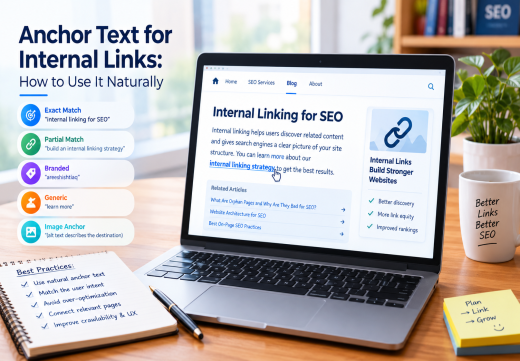
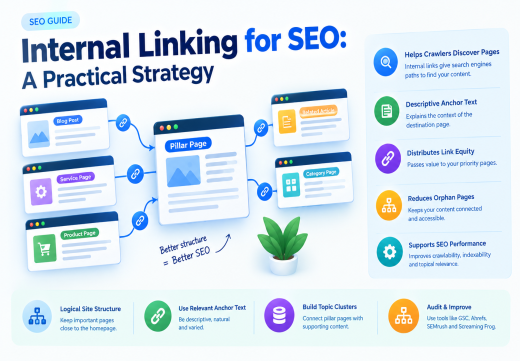
Mixed intent is normal. “Best laptop for students” may need explanations, comparisons, and product links in one guide. Use clear sections and internal links, such as Anchor Text for Internal Links and Internal Linking for SEO.
Review intent as rankings and behavior change. For page-level alignment, consider On-Page SEO Services from an On-Page SEO Consultant.
Do not force one label onto every query. The best SEO strategy recognizes the dominant intent, accounts for secondary needs, and gives the searcher a clear next step.

Areesh Ishtiaq
Freelance SEO Professional helping businesses improve visibility across Google Search, Google Maps and AI-powered search.
Explore Areesh IshtiaqFrequently Asked Questions
They are informational, navigational, commercial, and transactional. A single query can contain more than one type.
Review the query modifiers, inspect the top-ranking pages, identify the dominant content format, and check SERP features such as People Also Ask and featured snippets.
No. Commercial users are comparing options before deciding. Transactional users are closer to completing an action such as buying, booking, or signing up.
Yes. Products, trends, locations, seasons, and behavior can alter results. Recheck important SERPs periodically.
Ahrefs, SEMrush, and Moz provide intent labels and keyword data. Search Console and direct SERP analysis add first-party and current context, so use more than one source.