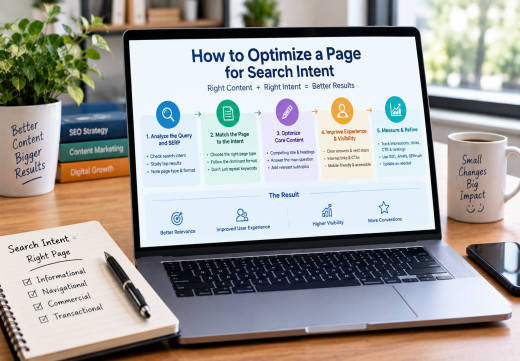
Search Intent Optimization aligns a page with the goal behind a user’s query. Do it by analyzing the query and SERP matching page type, format, and angle to the dominant results optimizing the title, headings, answers, supporting topics, and calls to action and measuring impressions, clicks, click-through rate, and rankings. This is more reliable than repeating a keyword because Google evaluates relevance and usefulness.
What Is Search Intent Optimization?
Align content with the searcher’s goal
Search intent or user intent is the reason someone enters a query into Google. The user may want to learn, find a website, compare options, or act. Search Intent Optimization turns that purpose into decisions about content type, depth, structure, and conversion path.
A page can contain the correct keyword and still answer the wrong question. A product page is a poor match for “how to choose running shoes,” while a general guide may not satisfy “buy running shoes size 10.” Make the page the most useful destination for the query.
Why intent matters for SEO
Google’s ranking systems are designed to present relevant, helpful information. Its guidance encourages original, complete, accurate, well-organized, people-first content rather than pages made mainly to attract search traffic.
Intent alignment improves the user experience. When visitors quickly see the expected information, comparison, product, or next step, they are less likely to return to the SERP. This may support engagement and conversions, but no single metric guarantees rankings.
Analyze the Query and SERP First
Use keyword research and query analysis
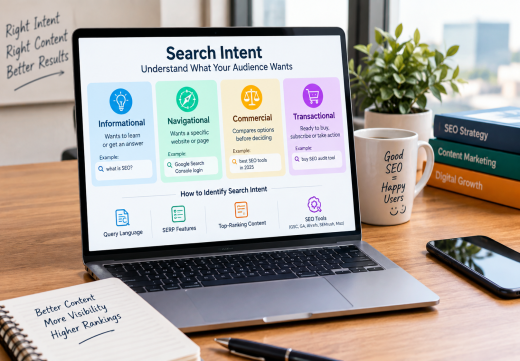
Start with keyword research, but look beyond volume and difficulty. Examine words that reveal the task. “What,” “why,” and “how” often indicate informational intent; brand names navigational intent; “best,” “review,” and “vs” commercial intent; and “buy,” “pricing,” and “book” transactional intent.
These are clues, not final classifications. Meaning changes with context. Record intent, audience, and page type before editing.
Perform a practical SERP analysis
Search the primary query and study the top results. Identify the dominant type—blog, service, product, category, local listing, video, or tool—then note the format and angle, such as how-to, comparison, review, or recommendations.
Review titles, headings, depth, media, and subtopics. Inspect featured snippets, People Also Ask, related searches, and shopping results. Google says featured snippets show a descriptive passage before the standard result and may appear in related-question groups.
Match the Page to the Dominant Intent
Choose the right page type and format
Use the dominant SERP pattern. Informational intent needs an article or guide; navigational intent a clear destination; commercial intent a comparison, review, buying guide, or evaluation; and transactional intent a product, service, pricing, booking, or sign-up page.
Do not copy leading results. Match the format, then improve it with examples, explanations, evidence, or a useful workflow. A mixed-intent query may need one page that explains, compares, and provides a next action.
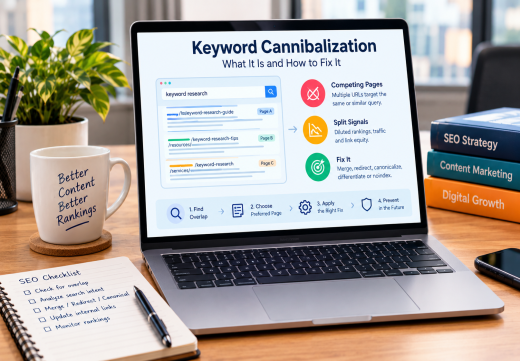
For intent categories, read The Main Types of Search Intent. If another URL targets the need, review Keyword Cannibalization first.
Optimize the Page’s Core Content
Improve the title, opening, and headings
Write a title tag and H1 that accurately promise the result the searcher wants. Put the main topic near the beginning when natural. Use the introduction to answer the primary question, then explain the details logically.
Build headings around tasks and follow-up questions. Make steps easy to find on how-to pages, criteria clear on comparisons, and price, proof, and action clear on transactional pages. Use concise paragraphs and descriptive subheadings.
Use semantic SEO without keyword stuffing.Semantic SEO covers the concepts and relationships that explain a topic, not one phrase repeatedly. Include entities, attributes, examples, synonyms, and questions when they complete the answer.
Google Hummingbird marked a shift toward understanding meaning and intent rather than keyword quantity. Modern content optimization should explain the subject naturally. Use related terms for clarity, not arbitrary frequency.
Find missing subtopics by comparing quality results, reviewing People Also Ask, and examining related queries in Ahrefs or SEMrush. Add only topics that serve the page’s intent.
Improve Experience and Search Visibility
Make answers and next steps easy to find
Place the primary answer near the top when the query calls for a direct response. Define the topic before background and make each section useful. This can make information easier to extract, but Google decides whether a page appears in a featured snippet.
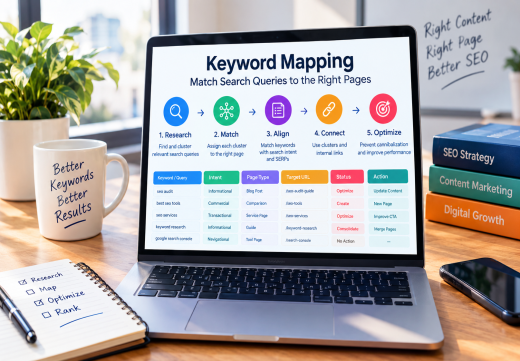
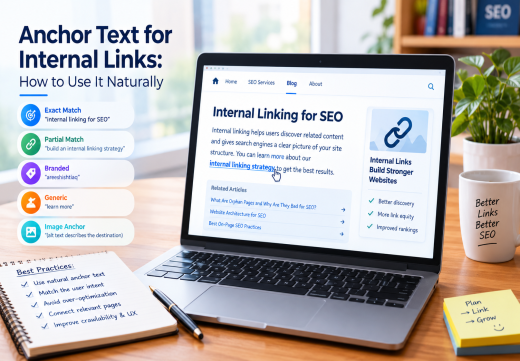
Use descriptive internal links to guide users to resources. Keyword Mapping explains how to assign query groups to URLs. Link naturally and differentiate similar pages.
Connect relevance with user experience. A page should function well enough for visitors to complete the task. Make information visible, support mobile reading, use accessible headings, and avoid intrusive elements. Match the call to action to the intent.
For page-level content, heading, entity, and internal-link improvements, see On-Page SEO Services from an On-Page SEO Consultant.
Measure and Refine Intent Alignment
Use Search Console and SEO tools
After publishing or updating, use Google Search Console to compare queries and pages. Its Performance report includes impressions, clicks, CTR, and average position. Filter by page to assess whether its searches match the intended audience.
Ahrefs and SEMrush can compare rankings, competing pages, related terms, and content gaps. Confirm important decisions against the live SERP. Weak CTR may indicate a title or snippet mismatch; clicks without conversions may indicate a weak offer or next step.
Search intent changes as products, competitors, trends, and SERP features change. Recheck important pages after major updates. The strongest page satisfies the need, not the one with the most keywords.

Areesh Ishtiaq
Freelance SEO Professional helping businesses improve visibility across Google Search, Google Maps and AI-powered search.
Explore Areesh IshtiaqFrequently Asked Questions
It aligns a page’s content, format, structure, and next step with the goal behind a query.
Study query language, search the keyword, compare top results, and review content types, formats, angles, and SERP features.
A page should have one dominant purpose, but cover secondary informational, commercial, or transactional needs when they support the same task.
It can improve relevance between the query, title, and page experience, which may support CTR. Measure performance in Google Search Console.
Google Search Console measures query and page performance. Ahrefs and SEMrush analyze keywords, competitors, related terms, rankings, and content gaps.