To Refresh Existing Content for SEO, compare current performance with a historical baseline, then update information, intent, structure, and technical elements that no longer serve users. The process is to find content decay through a content audit research current queries and competitors improve accuracy, depth, meta tags, internal linking, and user experience and measure traffic, impressions, clicks, rankings, and conversions. A refresh should add real value, not simply change a date or add keywords.
What Does It Mean to Refresh Existing Content?
Content refresh versus content rewrite
A content refresh improves an existing URL while preserving useful history, backlinks, and relevance. Replace outdated statistics, expand missing sections, clarify answers, update examples, or correct errors. A full rewrite is better when the page targets the wrong topic, format, or audience.
The aim is not length. Google asks whether content is original, accurate, complete, trustworthy, and satisfying. It warns against changing dates or editing pages merely to make a site appear fresh.
Recognize content decay
Content decay is a gradual decline in organic traffic and search rankings. Causes include stronger competitors, changed search intent, outdated information, technical errors, seasonality, or lost authority.
Use Google Search Console to compare periods. Falling impressions and clicks often signal lost visibility. Stable impressions with lower CTR may reflect a Search Engine Results Page change, such as a featured snippet, AI feature, or stronger title.
Audit Content Before You Edit
Find high-value refresh opportunities
A content audit should combine performance, relevance, and business value. Start with pages that once attracted strong organic traffic, now decline, rank near page one, or have valuable backlinks. Also review important pages with impressions but few clicks, low conversions, or outdated information.
Google Search Console provides queries, pages, impressions, clicks, CTR, and average position. Google Analytics adds engagement and conversion context. Ahrefs, Semrush, and Surfer SEO compare rankings, links, competitors, and gaps, but their scores are inputs—not editorial judgment.
Decide whether to update or consolidate
Not every declining URL needs a refresh. Update relevant pages with worthwhile history, links, or structure. Consolidate URLs with the same intent. Redirect discontinued pages with useful links to a relevant successor. Prune content with little value, demand, or purpose.
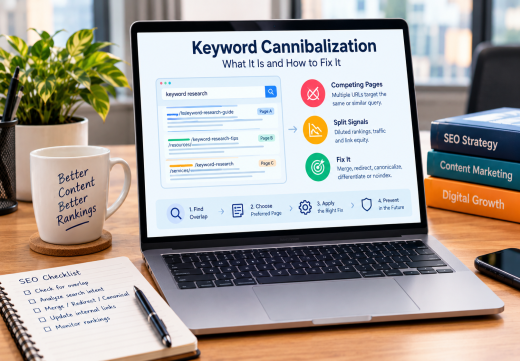
This prevents wasted work. The wrong intent needs a new page, while merging similar pages can reduce keyword cannibalization.
Update the Page for Current Search Intent
Recheck keyword research and competitors
Repeat keyword research before editing. Search the primary query and inspect current results, related searches, People Also Ask, and favored formats. Compare leading results for completeness, angle, examples, media, and answered questions.
Do not copy competitors. Identify what changed in the searcher’s need. A former “what is” page may now need a process, comparison, calculator, or recommendation. Align it with dominant intent and the audience’s next decision.
Improve content quality and E-E-A-T
Update facts, dates, statistics, examples, screenshots, references, and recommendations. Remove unsupported claims and add first-hand experience, clear authorship, expert review, or reliable sources where appropriate. These steps support E-E-A-T—experience, expertise, authoritativeness, and trustworthiness—although it is not a single ranking factor.
Answer the main question early, then add useful depth. Make the page original rather than a summary. Readers should be able to act without immediately searching again.
Improve On-Page SEO and User Experience
Refresh headings, meta tags, and structured data
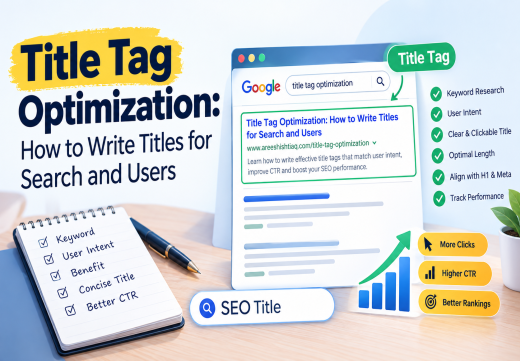
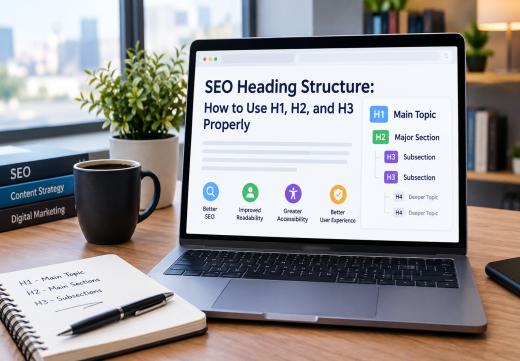
Review the title tag, meta tags, headings, URL, alt text, and structured data. Ensure the title and meta description summarize the updated page and match intent. For heading and title guidance, see SEO Heading Structure and Title Tag Optimization.
Update schema only when it describes visible content and meets Google’s guidelines. Do not add it only to chase rich results. Content optimization and on-page SEO should improve meaning, relevance, and clarity together.
Strengthen internal links and page experience
Add internal linking from relevant pages with descriptive anchor text. Link to the refreshed page when it helps users, and link to resources supporting the next step. Check for orphaned pages and broken links.
Improve user experience by shortening dense paragraphs, clarifying navigation, updating images, and removing intrusive elements. Check page speed, mobile usability, and layout stability. In WordPress or another content management system, review the template and plugins too. For focused work, see On-Page SEO Services from an On-Page SEO Consultant.
Measure SEO Performance After Publishing
Record the baseline first. Track impressions, clicks, CTR, average position, organic traffic, conversions, and queries. Google Search Console measures visibility; Google Analytics adds behavior and business outcomes.
Publish the substantive update, request indexing when appropriate, and allow Google time to recrawl the URL. Compare equivalent periods rather than a few days. Impressions may improve before rankings and clicks; conversions can rise without much traffic if the audience is better.
Use Ahrefs, Semrush, or Surfer SEO to monitor rankings, backlinks, gaps, and competitors. Review featured snippets and SERP features because clicks can change while position stays stable. If results do not improve, diagnose intent, quality, technical access, and authority.
Build a Sustainable Content Refresh Process
Refresh high-value pages according to topic volatility, importance, and performance. Fast-changing subjects need more frequent reviews than evergreen explanations. Keep a calendar with the last substantial update, target query, owner, sources, and next review date.
Avoid mass-changing dates or superficial edits. Combine a periodic audit with reviews triggered by ranking, traffic, competitor, regulatory, or product changes. The best refresh is evidence-led, useful, and connected to site architecture.

Areesh Ishtiaq
Freelance SEO Professional helping businesses improve visibility across Google Search, Google Maps and AI-powered search.
Explore Areesh IshtiaqFrequently Asked Questions
It substantially improves an existing page’s accuracy, relevance, structure, user experience, and on-page SEO while preserving useful URL history.
Review important pages annually and fast-changing topics more often. Use traffic, rankings, intent, and business importance to set the schedule.
No. Google warns against changing dates without substantially updating content. Improve information and value first, then show an accurate date.
Update relevant pages, consolidate overlapping pages, redirect discontinued URLs with useful links, and remove low-value pages without strategic purpose.
Google Search Console and Google Analytics provide performance data. Ahrefs, Semrush, and Surfer SEO analyze rankings, competitors, links, and gaps. WordPress or another CMS implements changes.