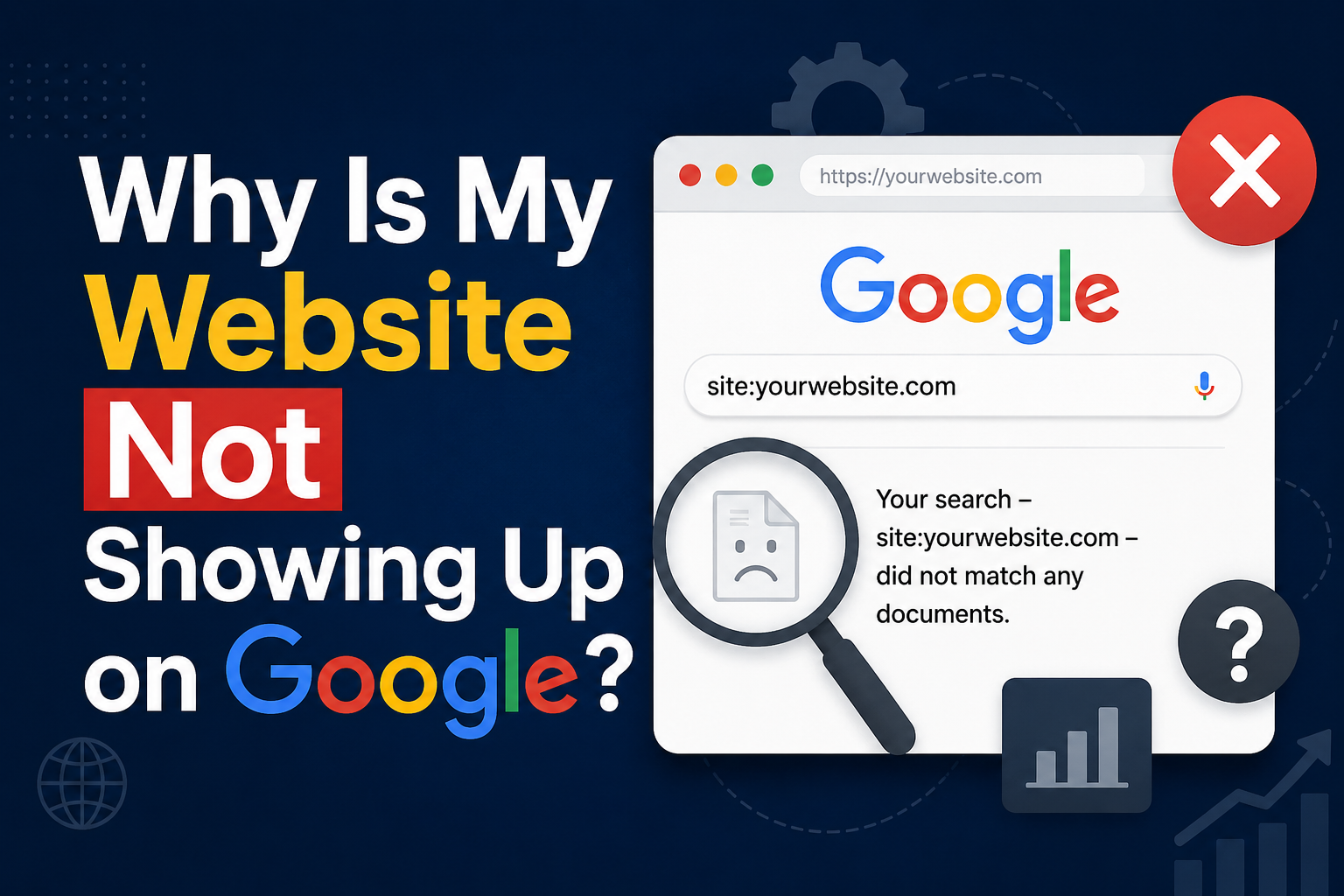
Your website may not be showing up on Google for four main reasons:
- Google cannot crawl it because of server errors, blocked URLs, or robots.txt;
- Google crawled it but did not index it because of a noindex directive, duplicate content, or weak quality;
- The site is indexed but does not rank for your target keywords because competing pages are more relevant or authoritative; or
- You are checking the wrong URL, location, device, or query.
Diagnose it by inspecting the URL in Google Search Console and searching site:yourdomain.com in Google Search
Why isn’t my site appearing on Google?
Separate indexing from ranking. Search your homepage with site:example.com. If no pages appear, investigate discovery and indexing. If the page is indexed but far down the Search Results, the problem is usually relevance, quality, competition, or authority—not necessarily a penalty.
Your website may not be crawlable
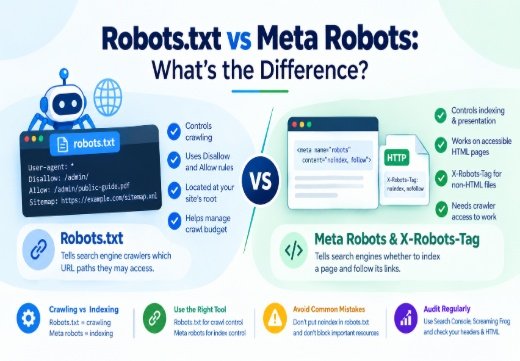
Googlebot must access a public URL before evaluation. Check that the domain resolves, pages return successful HTTP statuses, and the server is not producing repeated 5xx errors. Review robots.txt for an accidental Disallow and confirm important Content is available when JavaScript renders.
Your pages may be crawled but not indexed
Crawling does not guarantee inclusion in the Google Index. Look for noindex, an X-Robots-Tag header, incorrect canonicals, duplicate pages, soft 404s, and thin content. URL Inspection shows whether Google knows the URL, which canonical it selected, and whether it is eligible to appear.
How do search engines index websites?
Search engines generally work through three stages: crawling, indexing, and serving. Google discovers URLs through links and XML Sitemaps, fetches pages with automated crawlers, analyzes their text and metadata, and stores useful information in the Google Index. It then serves results it considers relevant and high quality. Not every page completes every stage.
Crawling discovers web pages
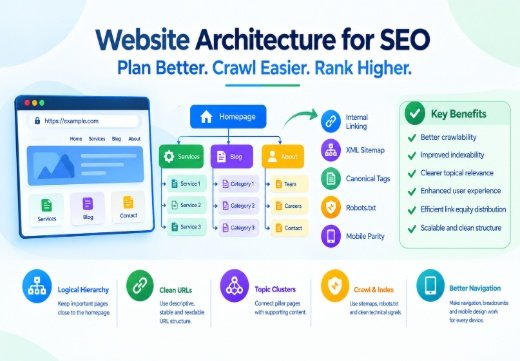
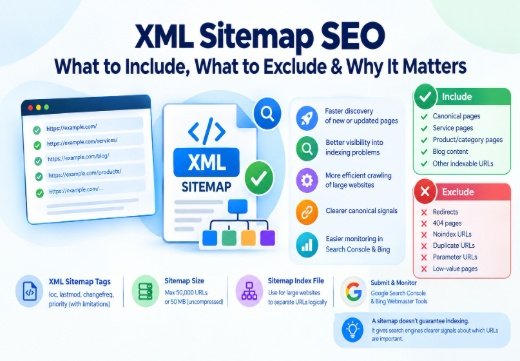
Internal Links give Googlebot routes from your homepage to deeper Web Pages. An XML Sitemap can support discovery for a new or large Website, but does not guarantee indexing. Keep it limited to canonical, indexable URLs and submit it through Search Console.
Indexing evaluates and stores content
Google examines Content, titles, images, alt text, language, and other signals. It may group duplicate URLs and select one canonical version, so one URL can be indexed while another appears in Search Results. Indexing is required for visibility, but is not the same as strong Search Rankings.
What can I do to improve my site’s visibility on Google?
Start with measurement, then fix the highest-impact barriers. In Search Console, inspect priority pages and review Page indexing, Core Web Vitals, mobile usability, and Performance reports. Queries, impressions, clicks, and average position distinguish technical, content, and demand problems.
Use Search Console and an XML Sitemap
Submit an XML Sitemap, request indexing for genuinely new or substantially updated URLs, and monitor excluded pages. Confirm important URLs have Internal Links, use one preferred HTTPS version, and keep redirects and canonicals consistent. A sitemap supports discovery; it cannot force Google to index a blocked or low-quality page.
Improve content and internal links
Create original, helpful, people-first pages that satisfy search intent better than competing results. Use the main keyword naturally in titles, headings, and relevant copy. Write descriptive titles and meta descriptions, add useful internal links with clear anchor text, and provide accurate image alt text. Google says keyword stuffing violates its spam policies and that there is no magical word-count target.
What factors affect website visibility on search engines?
Visibility reflects accessibility, relevance, quality, usability, and competition. Technical SEO helps Google interpret a page; on-page SEO clarifies its topic; links provide context; and useful Content gives it a reason to be selected. Location, language, device, and query wording also matter.
Technical accessibility matters first
A fast, mobile-friendly, secure page with stable hosting creates fewer obstacles. Technical polish alone does not make a page rank; resolve broken links, rendering failures, redirect chains, and indexation conflicts before improving usefulness and topical coverage.
How does Google rank websites?
Google ranks pages programmatically by matching a query with information in its index and weighing many relevance and quality signals. It does not accept payment to rank organic pages higher. PageRank is one link-related component, not the entire system. A page can be indexed without ranking prominently for a competitive keyword.
Relevance and quality determine competition
Improve Search Rankings by demonstrating first-hand usefulness, covering the topic accurately, organizing information clearly, and earning legitimate references and links. Match the page format to intent: a local query may favor local results, while a comparison query may favor detailed explanatory content. Avoid copied content, manipulative links, and doorway pages.
What is website SEO and why is it important?
Website SEO, or search engine optimization, makes Web Pages easier for Search Engines to crawl, index, understand, and present to the right audience. It matters because organic Search Results can attract qualified visitors without paying for every click, but SEO is not an instant submission service or ranking guarantee.
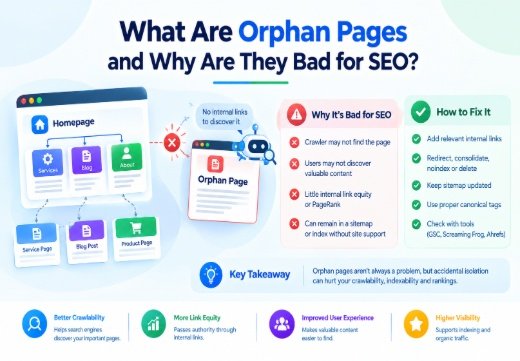
Common SEO issues include blocked robots.txt rules, accidental noindex tags, incorrect canonicals, orphan pages with no Internal Links, duplicate or thin Content, unclear Keywords and titles, broken URLs, slow pages, mobile problems, and spammy optimization. Audit them in Google Search Console: fix access and indexing first, then improve relevance and authority. That sequence directly answers “Why Is My Website Not Showing Up on Google?”

Areesh Ishtiaq
Freelance SEO Professional helping businesses improve visibility across Google Search, Google Maps and AI-powered search.
Explore Areesh Ishtiaq